October 28, 2026
Gutters play an important role in protecting a home from water damage. By directing rainwater away from the roofline, siding, and foundation, they help reduce the risk of moisture-related problems. However, leaves, twigs, and other debris can accumulate inside gutters, restricting water flow and causing overflow during heavy rainfall.
Installing gutter guards can help minimize these problems by reducing the amount of debris entering the drainage system. Although these protective devices do not eliminate maintenance entirely, they can make routine upkeep more manageable. Understanding their benefits, available designs, and installation requirements helps homeowners determine whether they are a worthwhile addition to their property.
Understanding How Gutters Manage Rainwater
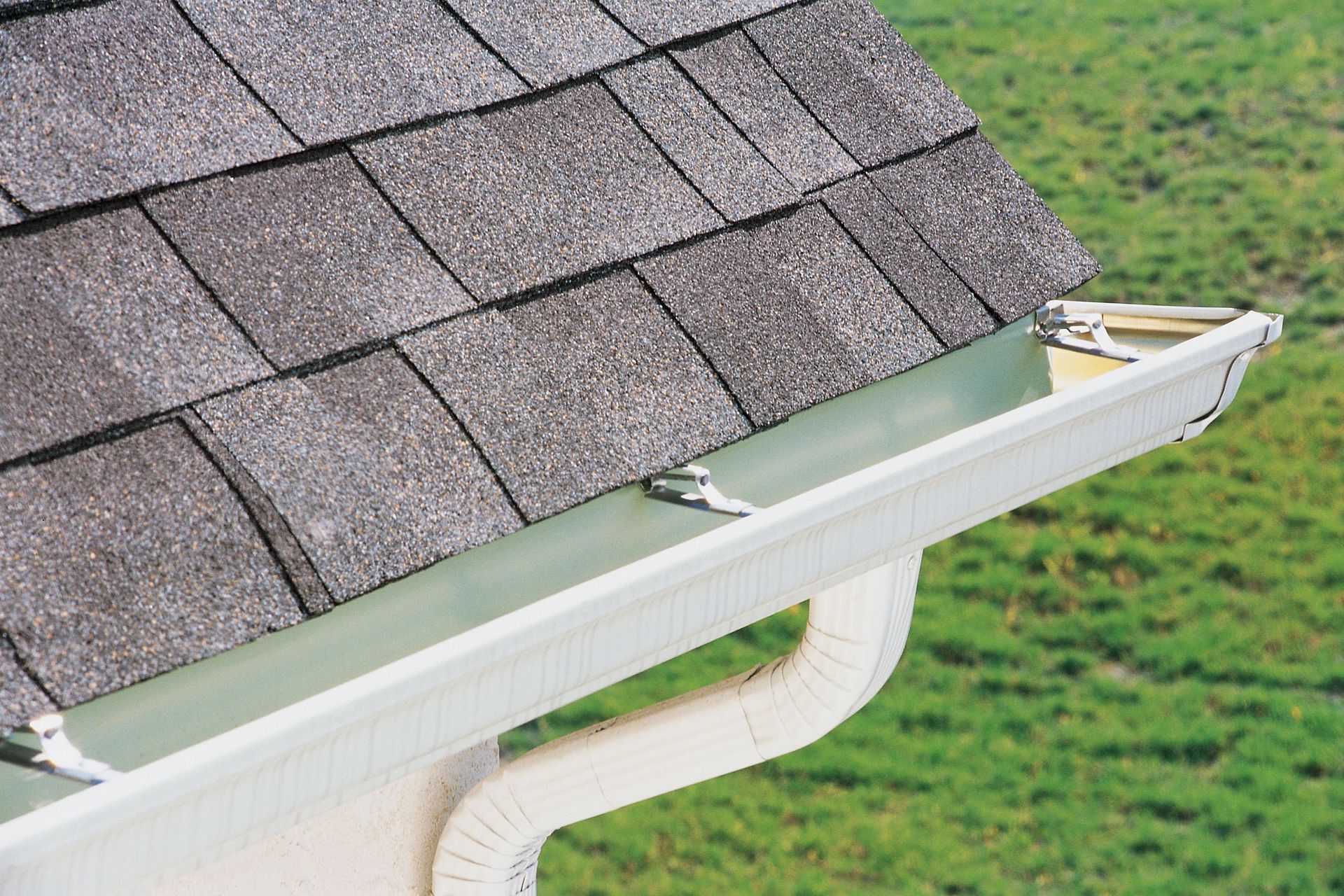
A properly functioning gutter system collects rainwater from the roof and directs it through downspouts toward designated drainage areas. This process helps prevent excessive moisture from collecting around the foundation, damaging landscaping, or running down exterior walls.
When gutters become clogged, water can spill over their edges instead of reaching the downspouts. Repeated overflow may contribute to soil erosion, deteriorating fascia boards, and moisture intrusion around vulnerable areas.
Maintaining clear drainage pathways is especially important for homes surrounded by trees or located in regions with frequent precipitation. Regular inspections and appropriate protective measures can help preserve the system's performance throughout changing seasons.
Recognizing Common Causes of Gutter Blockages
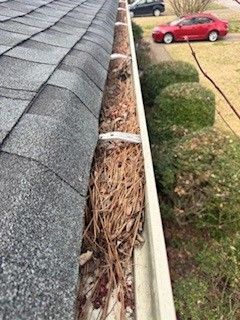
Leaves are among the most common causes of gutter clogs, particularly during autumn. However, pine needles, small branches, roofing granules, and airborne debris can also collect inside gutters. Over time, these materials may form compacted obstructions that prevent rainwater from flowing freely. Standing water adds weight to the system and can contribute to sagging when supports are inadequate.
Gutter guards help reduce the amount of larger debris entering the gutter channel. Their effectiveness depends on the design, surrounding environment, and maintenance practices. Homeowners should watch for water spilling over gutter edges, vegetation growing inside channels, and visible debris around downspout openings. Identifying these warning signs early allows drainage problems to be addressed before further damage develops.
Comparing Common Gutter Protection Designs
Different gutter protection systems use different methods to separate debris from rainwater. Screen guards typically feature openings that allow water to enter while blocking larger leaves and branches. They are available in several materials and configurations.
Micro-mesh systems use finer openings to filter smaller debris, including some pine needles and roof particles. However, fine materials can accumulate on top of the mesh and may require periodic removal.
Reverse-curve designs direct water around a curved surface into the gutter while encouraging debris to fall away. Their performance can vary with roof conditions and rainfall intensity.
Foam inserts and brush-style products occupy the gutter channel, but they may retain debris or require more frequent cleaning. Comparing these designs helps homeowners select an appropriate solution.
Matching Protection to Local Weather Conditions
Climate and surrounding vegetation influence which gutter protection system will perform most effectively. Homes beneath mature trees may experience significant leaf accumulation, while properties near pine trees often encounter smaller needles and seasonal debris.
Heavy rainfall presents another consideration. A protective cover must allow sufficient water to enter the gutter without causing excessive runoff over its edge.
Homeowners considering gutter guards should evaluate the roof's slope, drainage capacity, and exposure to surrounding vegetation. Some designs perform better under particular conditions than others.
In colder climates, snow and ice may accumulate around gutter openings. Protective covers do not prevent ice dams or eliminate winter drainage concerns. Proper attic insulation, air sealing, ventilation, and overall roof drainage remain important.
Evaluating Existing Gutters Before Installation
Before installing protective covers, homeowners should determine whether their existing gutters are structurally sound. Loose fasteners, damaged seams, corrosion, and improper slope can interfere with drainage regardless of the protective system installed.
Gutters should be cleaned and inspected before new components are attached. This allows hidden damage and existing blockages to be identified while the channels remain accessible.
A professional inspection can also reveal whether the gutters have sufficient capacity for the roof area they serve. Installing covers on an undersized or poorly aligned system will not correct the underlying drainage problem.
Addressing repairs beforehand helps establish a dependable foundation for any protective upgrade and may prevent avoidable installation complications.
Installing Protective Systems Correctly
Installation quality affects how well gutter guards perform. Protective components must fit securely without obstructing water flow or interfering with nearby roofing materials.
Different products require specific fastening methods. Some attach to the gutter edges, while others integrate with the roofline. Homeowners should review manufacturer instructions and applicable roofing warranty requirements before choosing a system.
Improper installation may create gaps where debris enters or cause water to bypass the gutter. Fasteners and attachment points must also withstand expected weather conditions without damaging existing components.
Professional installation can be particularly useful for multistory homes, steep roofs, and properties with complex rooflines. Qualified installers can evaluate accessibility, product compatibility, and drainage requirements while following appropriate safety procedures.
Maintaining Gutters for Long-Term Performance
Routine maintenance remains important even after installing gutter protection. While covers can reduce debris accumulation inside the channels, dirt and organic material may still collect on their surfaces or around the downspouts.
According to Coming Home Magazine, newly installed gutters can last anywhere from 25 to 50 years with proper maintenance. Actual service life depends on the gutter material, installation quality, climate, and exposure to damaging conditions.
Gutter guards can support maintenance efforts by limiting certain blockages, but they do not guarantee a longer lifespan.
Homeowners should continue inspecting the system, checking attachments, and removing visible debris as necessary. Following manufacturer-specific cleaning recommendations helps preserve the condition of both the gutters and their protective components.
Identifying When Professional Cleaning Is Necessary
Although protective covers reduce the amount of debris entering gutters, they cannot prevent every blockage. Fine particles may pass through openings, while leaves can collect above screens and restrict incoming water.
Signs that cleaning may be necessary include persistent overflow, visible debris accumulation, and water remaining in sections after rainfall.
Homeowners should avoid assuming that gutter guards make inspections unnecessary. Blockages may still develop inside downspouts or around gutter outlets.
Cleaning elevated gutters involves fall risks, particularly when ladders must be positioned on uneven ground. Professional services may be appropriate when access is difficult or the system requires disassembly.
Timely cleaning helps restore drainage and provides an opportunity to identify loose attachments or other developing problems.
Choosing a Qualified Gutter Installation Professional
Selecting an experienced contractor helps ensure that gutter protection is appropriate for the home's drainage requirements. Before hiring, homeowners should ask about product compatibility, installation procedures, and maintenance recommendations.
A written estimate should identify the proposed materials, installation scope, labor costs, and applicable warranties. It should also explain whether existing gutter repairs or cleaning are included.
Reviewing customer feedback and requesting examples of completed projects can provide additional insight into a contractor's workmanship.
Contractors should be able to explain the advantages and limitations of available products without promising maintenance-free performance. Clear communication before installation helps establish realistic expectations and reduces the likelihood of misunderstandings.about future maintenance responsibilities.
Protecting Your Home Through Consistent Gutter Care
Maintaining effective drainage requires more than installing protective covers. Proper gutter alignment, secure attachments, clear downspouts, and periodic inspections all contribute to dependable performance. Choosing suitable gutter guards can reduce debris-related blockages and simplify certain maintenance tasks, but ongoing care remains essential. Homeowners considering improvements to their drainage systems can contact Lines Seamless Gutter Inc. to discuss their property's needs and available gutter services. Combining professional guidance with regular maintenance can help preserve gutter performance, reduce preventable water damage, and support the long-term protection of the home's exterior.