October 29, 2026
A heavy rainstorm can send a surprising amount of water across a roof in a short time. Gutters collect that runoff and direct it toward downspouts, where it can be carried away from the house. When the system is poorly sized, improperly pitched, loosely attached, or frequently clogged, water may overflow before it reaches the intended discharge point.
According to the Ecology Action Center, one inch of rain falling on a 1,000-square-foot roof catchment area can produce about 600 gallons of water. Professional gutter installation helps create a controlled path for that runoff rather than leaving water to spill wherever gravity takes it.
Plan the System Around the Roof
A gutter system should be planned for the building it serves. Roof size, pitch, valleys, dormers, and the location of downspouts can all influence how water reaches the gutter.
Gutters and downspouts need enough capacity to move water away during periods of intense rainfall. If too much runoff is directed toward too few outlets, the system can back up and overflow even when it is clean.
Lines Seamless Gutter Inc evaluates roof slope, drainage needs, and local rainfall patterns when recommending systems for homes in Virginia Beach and the surrounding Hampton Roads region.
Create the Correct Gutter Pitch
Gutters may look level from the ground, but they need a slight pitch that directs water toward the downspouts. Too little slope can allow water to sit in the channel. Too much or poorly planned slope can affect appearance and create uneven flow.
Accurate gutter installation establishes that drainage path from the start. Hangers must also keep the gutter in position so the intended pitch does not change under the weight of water or accumulated debris.
A properly pitched run moves runoff steadily toward an outlet. A poorly aligned section may hold water, spill over an edge, or send too much water toward an unintended low point.
Place Downspouts Where Water Can Exit Efficiently
Once a gutter collects roof runoff, the water needs enough outlets to leave the system efficiently. Placement should account for roof sections, gutter length, nearby corners, and where discharged water will go at ground level.
Professional gutter installation can coordinate gutter capacity with appropriate downspout placement. Extensions or other drainage measures may also be considered depending on the property, because directing water down the wall without considering where it exits does not complete the water-management plan.
Reduce Potential Leak Points With Seamless Gutters
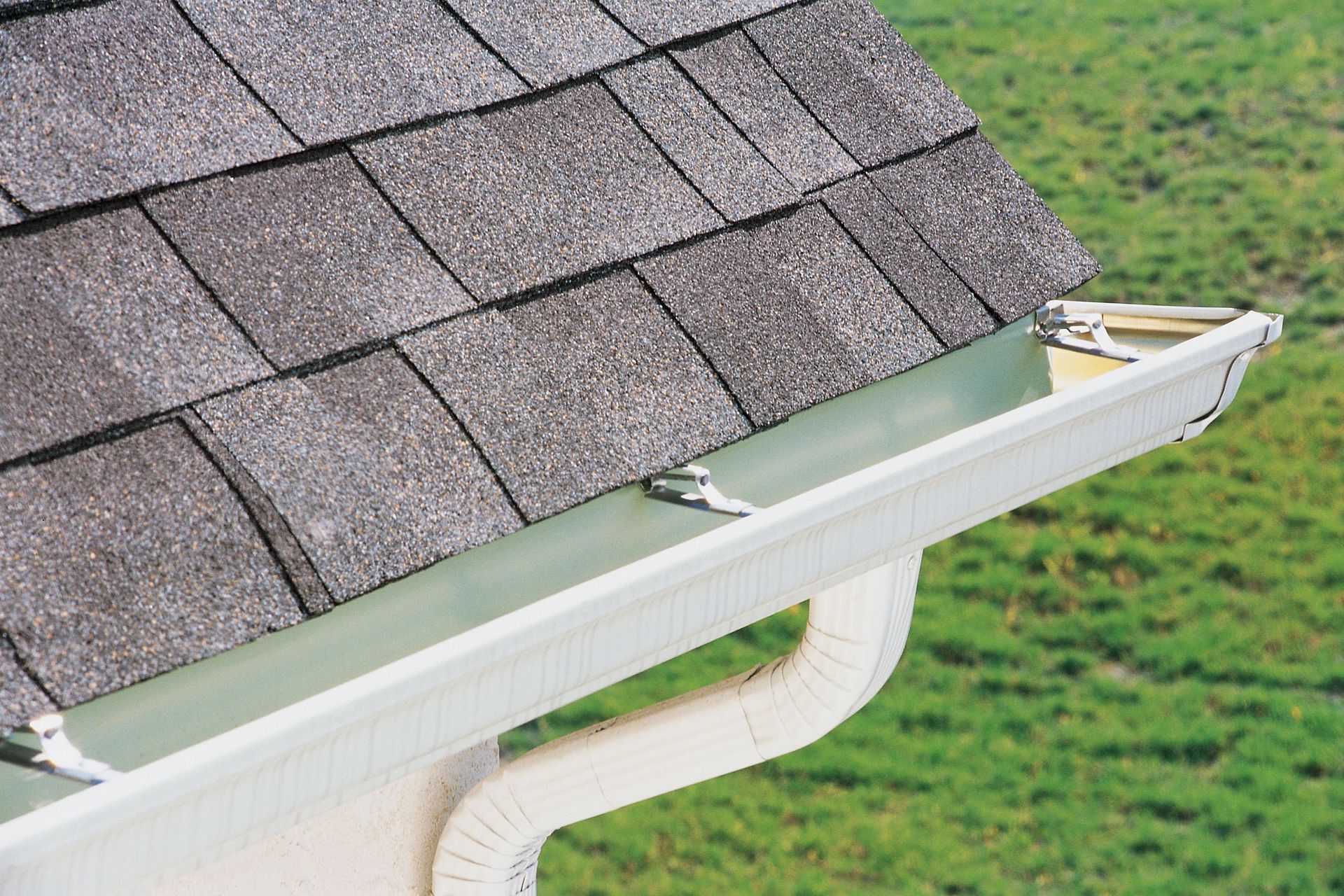
Traditional sectional gutters contain joints where individual lengths connect. Seamless gutters are formed in long continuous sections, reducing the number of seams along the roofline.
Lines Seamless Gutter specializes in seamless systems that are custom-cut on-site to match each home. The company offers aluminum and copper gutters along with K-style, half-round, and box gutter options.
Fewer seams do not make a gutter system maintenance-free, and connections are still required at corners, outlets, and other transitions. However, custom-fitted continuous runs can reduce unnecessary joint locations while creating a clean appearance. During heavy rainfall, maintaining a continuous path for water is especially important because leaks and misaligned sections can become more noticeable when flow increases.
Secure Gutters to Handle the Weight of Water
Water is heavy. When a gutter fills during a storm, the hangers and attachment points must support the combined weight of the gutter, flowing water, and any debris that may be present.
Installation methods should be selected for the home's fascia, roofline, gutter style, and material. Proper hanger spacing and fastening help the system stay aligned under normal operating conditions.
Lines Seamless Gutter provides new installations as well as realignment and repair for existing systems with sagging, leaks, storm damage, or wear. If an older system visibly pulls away from the fascia or develops low spots, an inspection can determine whether repair is appropriate or replacement makes more sense.
Keep the Water Path Clear
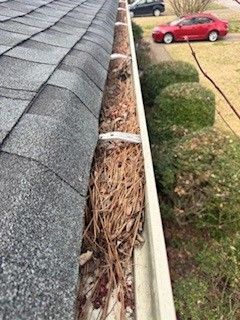
Even a correctly designed gutter cannot move water efficiently when leaves, pine needles, twigs, or other debris block the channel or downspout. Clogs reduce available capacity and can cause water to overflow during storms.
Homeowners should inspect and clean gutters periodically, especially when trees are close to the roof. Lines Seamless Gutter notes that routine clearing is still necessary for standard seamless systems and also offers gutter protection for homeowners seeking to reduce the amount of debris entering the gutters.
Gutter guards do not change the importance of proper gutter installation. The underlying gutter still needs correct sizing, pitch, fastening, and downspout placement. Protection products are an additional part of the system rather than a substitute for good drainage design.
Consider High-Capacity Options Where Appropriate
Not every property has identical drainage demands. Larger homes, commercial buildings, or roof designs that concentrate significant runoff into particular areas may benefit from gutter styles designed to carry more water.
Lines Seamless Gutter offers box gutters for properties requiring higher-capacity drainage as well as K-style and half-round systems for different applications and architectural preferences. The right choice depends on the roof and project rather than on appearance alone.
This is another reason gutter installation should begin with an evaluation. Selecting a larger gutter without considering downspout capacity, roof drainage patterns, and attachment details may not solve the underlying issue. All components need to work together to manage stormwater effectively.
Pay Attention to Where Downspouts Discharge
Moving rainwater off the roof is only part of the process. The point where a downspout ends also deserves attention. Water should not simply be concentrated beside the house without considering grading, walkways, landscaping, or nearby drainage.
Extensions can move discharge farther from the structure when appropriate. Some properties may use additional drainage solutions depending on site conditions. Homeowners should also watch for erosion, pooling, or water repeatedly collecting in the same area after storms, since those observations can reveal drainage issues outside the gutter itself.
A professional can evaluate the visible system and explain whether the gutter layout appears to be directing water where intended.
Maintain the System After Installation
New gutters still need periodic observation. Storms, falling branches, debris, and normal wear can affect performance over time. After heavy rain, homeowners can safely observe the system from the ground and look for overflow, dripping at joints, sagging sections, or unusual discharge patterns.
Lines Seamless Gutter provides maintenance, inspection, realignment, and repair in addition to new installation. The company is locally and family-owned, has served the Hampton Roads area since 2004, and brings more than 50 years of combined experience to its work.
Its seamless gutter installations are backed by a limited lifetime workmanship and labor warranty and a 20-year material warranty, according to the company's current website. The company is also a licensed and insured Class B contractor.
Prepare the Roofline for Heavy Rain
Heavy rainfall places the entire drainage system under greater demand. The Ecology Action Center's estimate of roughly 600 gallons from one inch of rain on a 1,000-square-foot catchment area demonstrates how quickly runoff adds up. Gutters must collect that water, carry it toward the outlets, and move it through downspouts without unnecessary obstruction.
Effective gutter installation depends on more than attaching channels along the edge of a roof. Capacity, pitch, hanger placement, seams, downspouts, discharge locations, debris management, and ongoing maintenance all influence how the system performs.
For homeowners in Virginia Beach and the surrounding Hampton Roads communities, Lines Seamless Gutter Inc provides seamless gutters, gutter guards, maintenance, and repair. A properly planned system gives heavy rainfall a defined path from the roof to the ground, helping the home's exterior drainage work as intended when the weather puts it to the test.